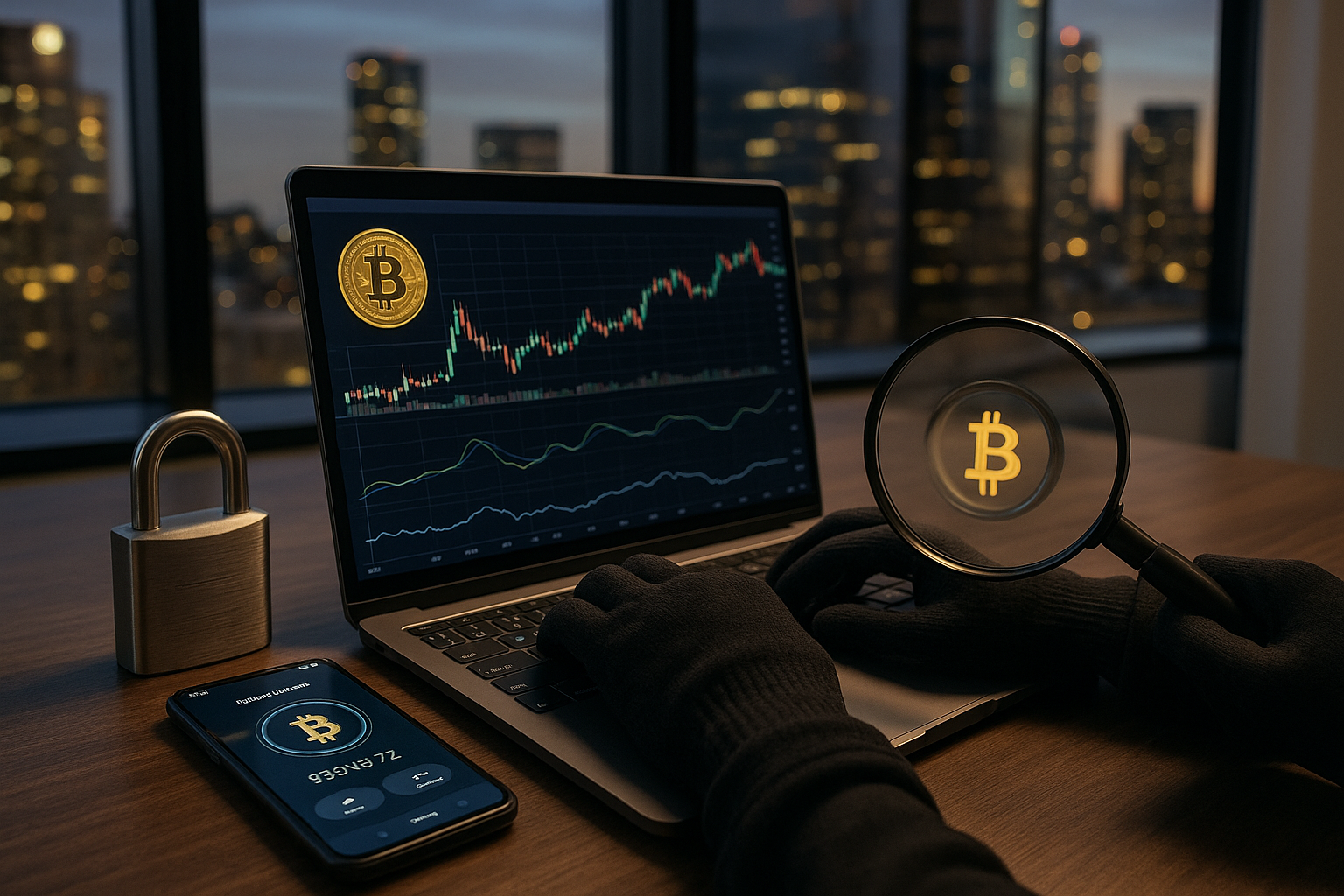
Imagine a world where your medical history is as secure as your most precious assets, and accessing your health records is as easy as a few clicks. In this digital age, where data breaches are not uncommon and privacy concerns are ever-growing, the need for a robust system to manage healthcare records is more pressing than ever. Enter blockchain technology—a revolutionary force poised to transform the way we handle sensitive health information.
In the past decade, blockchain has become synonymous with cryptocurrencies like Bitcoin. However, its potential extends far beyond digital currencies. This powerful technology is reshaping industries by providing secure, transparent, and immutable record-keeping solutions. Now, it is on the brink of revolutionizing healthcare record management, offering unparalleled security and efficiency to an industry burdened by inefficiencies and vulnerabilities.
The traditional systems used to manage healthcare records are often fragmented and siloed, making it difficult for patients, providers, and insurers to access and share information seamlessly. This lack of cohesion not only hampers efficiency but also poses significant security risks. With cyberattacks on the rise, healthcare organizations face the daunting task of protecting vast amounts of sensitive patient data from malicious actors. 🔒
Blockchain technology presents a promising solution to these challenges by enabling a decentralized and secure method of storing and sharing medical records. By leveraging the power of blockchain, healthcare providers can ensure that patient data is not only protected but also easily accessible to authorized individuals. This shift promises to enhance patient care, streamline operations, and reduce costs—benefits that cannot be overlooked in an industry where efficiency and security are paramount.
In this comprehensive exploration, we will delve into how blockchain is set to transform healthcare record management. We’ll begin by unraveling the intricacies of blockchain technology, breaking down its core components and explaining how it ensures data integrity and security. Understanding these fundamentals is crucial as we examine how blockchain can be specifically applied to healthcare.
Next, we’ll investigate the pressing issues faced by the current healthcare record management systems. From security breaches to interoperability challenges, we’ll highlight the pain points that have plagued the industry for years. This analysis will set the stage for understanding why blockchain is not just an option but a necessity for modernizing healthcare data management.
As we transition to the potential benefits of blockchain in healthcare, we’ll explore how it can enhance patient data security and privacy. The decentralized nature of blockchain makes it incredibly resilient to cyberattacks, ensuring that sensitive health information remains confidential. Furthermore, we’ll discuss how blockchain’s transparency and immutability can build trust among patients and providers, fostering a more collaborative healthcare ecosystem.
Efficiency is another critical area where blockchain shines. We’ll examine how smart contracts—self-executing contracts with the terms of the agreement directly written into code—can automate administrative processes, reduce paperwork, and expedite transactions. These advancements can significantly lower operational costs and improve the overall patient experience. 💡
Moreover, interoperability is a longstanding challenge in healthcare, with disparate systems often failing to communicate effectively. Blockchain holds the potential to bridge these gaps, facilitating seamless data exchange across different platforms and institutions. We’ll explore real-world examples and case studies where blockchain has successfully enhanced interoperability, paving the way for more integrated and coordinated care.
Despite its immense potential, the adoption of blockchain in healthcare is not without challenges. We’ll address the hurdles that must be overcome, including regulatory concerns, scalability issues, and the need for industry-wide collaboration. By understanding these obstacles, stakeholders can better navigate the path towards successful implementation.
Finally, we’ll look to the future, envisioning a healthcare landscape transformed by blockchain technology. From empowering patients with greater control over their data to fostering innovation in medical research, the possibilities are vast and exciting. By the end of this article, you’ll have a comprehensive understanding of how blockchain is poised to revolutionize healthcare record management, enhancing security, efficiency, and trust in the process. 🌟

Conclusion
In conclusion, the integration of blockchain technology into healthcare record management marks a transformative leap towards enhanced security and efficiency. Throughout this article, we’ve explored the pivotal aspects of how blockchain can revolutionize the way healthcare records are stored, accessed, and managed. By leveraging blockchain’s decentralized and immutable nature, healthcare institutions can ensure the integrity and confidentiality of patient data while streamlining operations.
The key points highlighted include the elimination of intermediaries, reduction of administrative costs, and minimization of human errors. Blockchain’s transparent and tamper-proof system guarantees that only authorized individuals have access to sensitive information, thus maintaining patient privacy. Furthermore, the potential for real-time data sharing among healthcare providers can significantly improve patient care and foster more informed decision-making processes. 🌟
As we’ve seen, the adoption of blockchain in healthcare is not without challenges. Issues such as data standardization, scalability, and regulatory compliance must be addressed to fully harness the technology’s potential. Nevertheless, the benefits outweigh the obstacles, and ongoing advancements in blockchain are paving the way for its widespread adoption.
The importance of revolutionizing healthcare record management cannot be overstated. As we move towards a more digital and interconnected world, the security and efficiency of patient data management must be prioritized. Embracing blockchain technology offers a promising solution to longstanding issues, ultimately leading to improved patient outcomes and a more efficient healthcare system.
We encourage you to reflect on the insights shared in this article and consider how they might apply to your own experience or field of work. Whether you are a healthcare professional, a policymaker, or simply an interested reader, your engagement in this conversation is crucial. Feel free to share your thoughts in the comments below or share this article with others who might benefit from understanding the potential of blockchain in healthcare. Let’s work together to drive innovation and create a safer, more efficient future for healthcare record management. 🚀
For further reading, consider exploring these resources:
– [Blockchain in Healthcare Today](https://blockchainhealthcaretoday.com)
– [World Health Organization: Digital Health](https://www.who.int/health-topics/digital-health#tab=tab_1)
Thank you for joining us on this journey of exploration and innovation. Together, we can unlock new possibilities and shape the future of healthcare.
—

Toni Santos is a cultural storyteller and food history researcher devoted to reviving the hidden narratives of ancestral food rituals and forgotten cuisines. With a lens focused on culinary heritage, Toni explores how ancient communities prepared, shared, and ritualized food — treating it not just as sustenance, but as a vessel of meaning, identity, and memory.
Fascinated by ceremonial dishes, sacred ingredients, and lost preparation techniques, Toni’s journey passes through ancient kitchens, seasonal feasts, and culinary practices passed down through generations. Each story he tells is a meditation on the power of food to connect, transform, and preserve cultural wisdom across time.
Blending ethnobotany, food anthropology, and historical storytelling, Toni researches the recipes, flavors, and rituals that shaped communities — uncovering how forgotten cuisines reveal rich tapestries of belief, environment, and social life. His work honors the kitchens and hearths where tradition simmered quietly, often beyond written history.
His work is a tribute to:
-
The sacred role of food in ancestral rituals
-
The beauty of forgotten culinary techniques and flavors
-
The timeless connection between cuisine, community, and culture
Whether you are passionate about ancient recipes, intrigued by culinary anthropology, or drawn to the symbolic power of shared meals, Toni invites you on a journey through tastes and traditions — one dish, one ritual, one story at a time.