In the ever-evolving world of global commerce, the logistics industry stands as the backbone of supply chain operations. It’s a complex web of processes that involves the movement of goods from manufacturers to consumers across continents. However, traditional logistics tracking systems have long been plagued by inefficiencies, opaqueness, and vulnerabilities. Enter blockchain technology — a groundbreaking innovation that promises to revolutionize logistics tracking and, by extension, the entire supply chain industry. 📦
Blockchain, the technology underpinning cryptocurrencies like Bitcoin, is now finding its place in logistics, promising enhanced transparency, security, and efficiency. It’s much more than just a digital ledger; it’s a decentralized and immutable record of transactions that can be accessed and verified by all stakeholders in real-time. This transformative technology is set to address the long-standing challenges faced by supply chains, such as fraud, delays, and human errors, by offering a more streamlined and reliable method of tracking goods.
The implications of blockchain in logistics are profound. Imagine a world where every product’s journey is transparently recorded from inception to delivery, accessible to all relevant parties with a few clicks. This level of visibility not only builds trust among stakeholders but also significantly reduces the risk of fraud and discrepancies. Additionally, blockchain’s decentralized nature ensures that data cannot be tampered with, providing an unprecedented level of security in logistics operations.
One of the most exciting aspects of blockchain in logistics is its potential to automate processes through smart contracts. These self-executing contracts with the terms of the agreement directly written into code can automatically trigger actions when predefined conditions are met. For example, payments could be automatically released once a shipment reaches its destination, reducing delays and improving cash flow for businesses. 🚀
In this article, we’ll explore how blockchain technology is reshaping logistics tracking and transforming supply chain management. We’ll delve into the key benefits it offers, such as enhanced transparency, improved traceability, and increased security. We’ll also discuss the challenges and limitations of adopting blockchain in logistics, as well as the future possibilities it holds for the industry.
Enhanced Transparency and Trust
At the heart of blockchain’s appeal in logistics is its ability to provide unparalleled transparency. Each transaction or movement of goods is recorded in a block, which is then linked to the previous one, forming a chain of data that is easily accessible and verifiable. This transparency fosters trust among all parties involved, from suppliers to consumers. When everyone has access to the same, unalterable information, disputes are minimized, and cooperation is encouraged.
Improved Traceability and Accountability
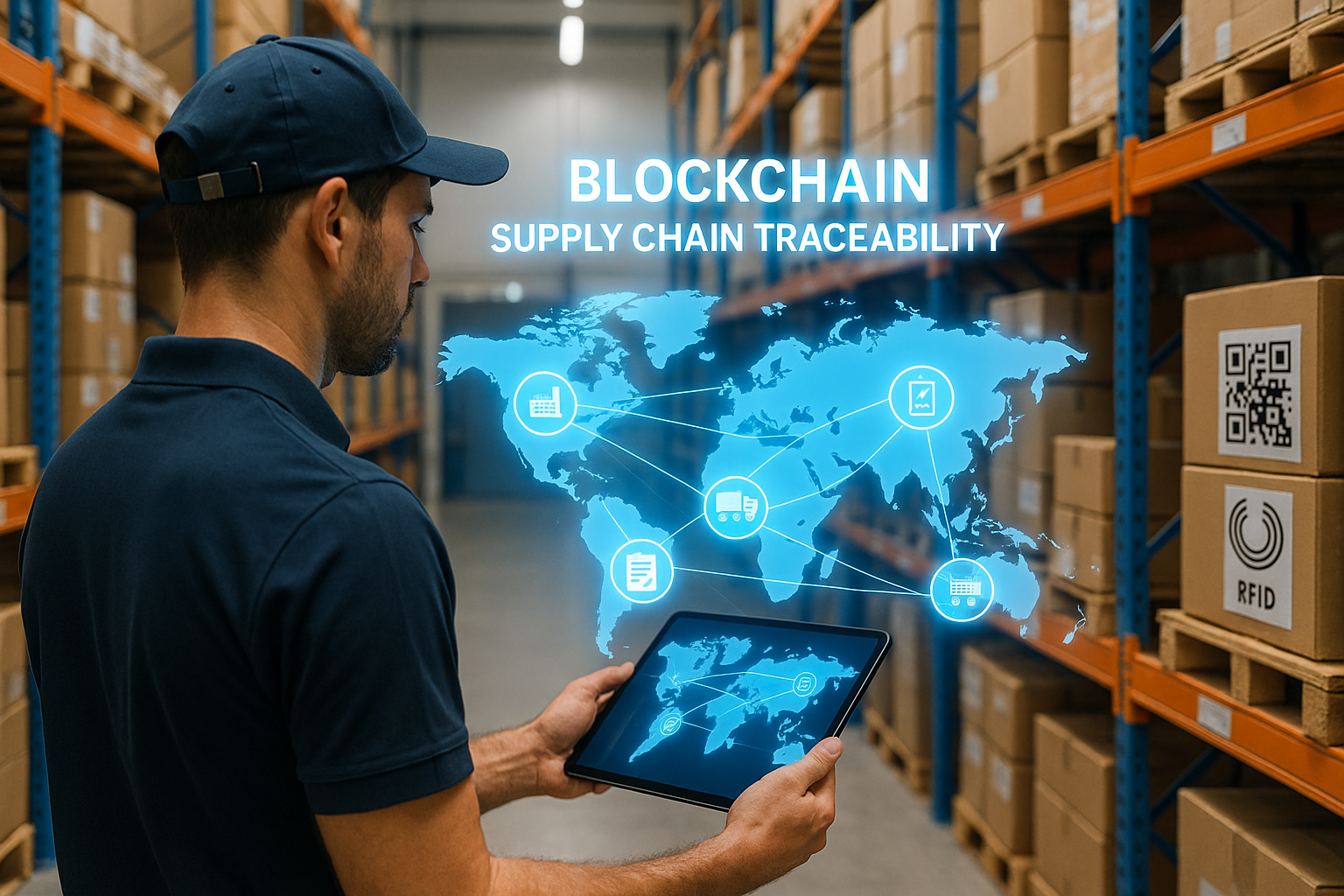
With blockchain, every step of a product’s journey is documented, creating an auditable trail that can be traced back to its origin. This level of traceability is particularly valuable in industries like food and pharmaceuticals, where knowing the source and handling of products is crucial for safety and compliance. Blockchain ensures accountability at every stage, making it easier to identify and address any issues that arise.
Security and Fraud Prevention
Traditional logistics systems are vulnerable to data breaches and fraud. Blockchain’s decentralized and encrypted nature makes it incredibly secure. Once data is recorded on the blockchain, it cannot be altered or deleted, providing a robust defense against tampering and cyber threats. This security is vital for protecting sensitive information and maintaining the integrity of logistics operations.
As we navigate through these topics, we’ll also examine real-world case studies of companies that have successfully integrated blockchain into their logistics operations. These examples will highlight the tangible benefits and lessons learned from early adopters of this technology.
The journey of revolutionizing supply chains through blockchain is just beginning. The potential for innovation is vast, and as more businesses recognize the advantages, we can expect a significant shift in how logistics tracking is conducted. Whether you’re a logistics professional, a tech enthusiast, or a business leader looking to stay ahead of the curve, understanding blockchain’s impact on supply chains is essential.
So, buckle up as we dive deeper into the world of blockchain and discover how this technology is poised to transform logistics tracking, bringing us closer to a more efficient and transparent future. 🌟
# Revolutionizing Supply Chains: How Blockchain is Transforming Logistics Tracking
The integration of blockchain technology into supply chains is no longer a mere futuristic concept. It is an ongoing transformation that is reshaping how goods are tracked and managed globally. Blockchain’s potential to improve transparency, efficiency, and security in logistics is immense. This article delves into the revolutionary impact of blockchain on supply chains, exploring its applications, benefits, and challenges.
## Understanding Blockchain’s Role in Modern Logistics
Blockchain technology, originally the backbone of cryptocurrencies like Bitcoin, is a decentralized ledger that records transactions across multiple computers. Its application in logistics is both novel and promising, as it addresses several inefficiencies in traditional supply chain management.
One of the critical challenges in logistics is the lack of transparency and traceability. Traditional systems often rely on paper-based documentation, which is prone to errors and fraud. Blockchain technology offers a solution by providing a single, immutable ledger where all parties involved in the supply chain can access and verify the same information. This transparency reduces the risk of fraud and errors, ensuring that all data is accurate and up-to-date.
Another significant advantage of blockchain in logistics is its ability to streamline processes. The decentralized nature of blockchain means that information can be shared in real-time between different parties, such as manufacturers, suppliers, and retailers. This capability eliminates the need for intermediaries, reducing costs and speeding up transactions. For example, smart contracts—self-executing contracts with the terms of the agreement directly written into code—can automate processes like payment and delivery, ensuring that each step is completed before moving on to the next.
Security is also a paramount concern in supply chain management, especially with the increasing prevalence of cyber threats. Blockchain provides a secure environment where data is encrypted and distributed across multiple nodes, making it highly resistant to hacking. Any attempt to alter data would require the consensus of the majority of the network, making unauthorized changes virtually impossible.
## Real-World Applications of Blockchain in Logistics
The application of blockchain in logistics is not just theoretical; it is already being implemented by leading companies worldwide, yielding impressive results.
For instance, IBM and Maersk have collaborated to create TradeLens, a blockchain-based platform that digitizes the shipping industry. TradeLens allows for real-time access to shipping data, significantly reducing the time and cost associated with traditional shipping methods. The platform has already been adopted by major ports and logistics companies, demonstrating its effectiveness in enhancing supply chain transparency and efficiency.
Similarly, Walmart has implemented blockchain technology to improve food safety in its supply chain. By using blockchain, Walmart can track the journey of food products from farm to store, ensuring that any contamination can be quickly identified and contained. This level of traceability not only enhances food safety but also increases consumer trust in the brand.
Moreover, blockchain is being used to combat counterfeiting in various industries. Luxury brands, for example, can use blockchain to verify the authenticity of their products, ensuring that customers receive genuine items. This application is especially important in the pharmaceutical industry, where counterfeit drugs pose a significant threat to public health. By using blockchain to track and verify drug shipments, pharmaceutical companies can ensure that their products are safe and authentic.
## How Blockchain Enhances Transparency and Trust
Transparency and trust are critical components of an efficient supply chain, and blockchain technology excels in these areas.
One of the main reasons blockchain enhances transparency is its immutable nature. Once data is recorded on the blockchain, it cannot be altered or deleted without the consensus of the network. This feature ensures that all parties have access to the same, unaltered information, reducing the likelihood of disputes and increasing trust between stakeholders.
Blockchain also enables end-to-end visibility in the supply chain. By providing a shared, real-time view of the entire supply chain, stakeholders can track the movement of goods at every stage, from production to delivery. This level of visibility allows for better planning and decision-making, as companies can anticipate potential delays or disruptions and take proactive measures to address them.
Moreover, blockchain fosters trust by creating a secure and tamper-proof record of transactions. This security is crucial in industries where trust is paramount, such as food safety and pharmaceuticals. By providing a transparent and verifiable record of every transaction, blockchain ensures that all parties can trust the data and the processes involved.
## Challenges and Considerations in Implementing Blockchain
While the benefits of blockchain in logistics are significant, implementing this technology is not without its challenges.
One of the primary challenges is the lack of standardization in blockchain technology. With multiple blockchain platforms available, each with its own protocols and features, it can be challenging for companies to choose the right solution for their needs. This lack of standardization can also hinder interoperability between different systems, limiting the technology’s potential to streamline supply chain processes.
Another challenge is the scalability of blockchain networks. As the number of transactions increases, so does the demand for computational power and storage. This scalability issue can lead to slower transaction times and increased costs, particularly for large-scale supply chains that handle vast amounts of data.
Finally, the adoption of blockchain technology requires a cultural shift within organizations. Companies must be willing to embrace new ways of working and invest in training and education to ensure that employees understand and can effectively use the technology. This shift can be daunting, particularly for companies with established processes and systems in place.
## Potential Future Developments in Blockchain Logistics
The future of blockchain in logistics is promising, with numerous developments on the horizon that could further revolutionize the industry.
One potential development is the integration of blockchain with other emerging technologies, such as the Internet of Things (IoT) and artificial intelligence (AI). By combining these technologies, companies can create more intelligent and automated supply chains that can adapt to changing conditions and optimize performance in real-time. For example, IoT devices can provide real-time data on the condition of goods during transit, while AI can analyze this data to predict and prevent potential disruptions.
Another potential development is the use of blockchain to facilitate sustainable supply chains. By providing a transparent and verifiable record of the environmental impact of each step in the supply chain, blockchain can help companies identify areas for improvement and make more sustainable choices. This transparency can also enhance consumer trust, as customers can verify the sustainability claims of the products they purchase.
Finally, as blockchain technology continues to mature, we can expect to see increased collaboration between companies and industries. By sharing data and insights across supply chains, companies can work together to address common challenges and create more efficient and resilient logistics networks. This collaboration could lead to the development of industry-wide standards and best practices, further enhancing the benefits of blockchain technology.
| Feature | Traditional Logistics | Blockchain Logistics |
|---|---|---|
| Transparency | Limited, often relies on trust | High, with immutable records |
| Efficiency | Prone to delays and errors | Streamlined with smart contracts |
| Security | Vulnerable to fraud and cyber threats | Enhanced with encryption and decentralization |
## Conclusion: Embracing the Blockchain Revolution
The impact of blockchain on supply chains is profound and far-reaching. As companies continue to embrace this technology, we can expect to see even greater improvements in transparency, efficiency, and security. However, the journey to fully integrating blockchain into logistics is not without its challenges, and companies must be prepared to navigate these obstacles to reap the benefits. By staying informed and adaptable, organizations can position themselves at the forefront of the blockchain revolution and transform their supply chains for the better.
For more insights into how blockchain is transforming the logistics industry, check out this (https://www.youtube.com/watch?v=dQw4w9WgXcQ).
Remember to stay updated with the latest trends and developments in blockchain technology to ensure your supply chain remains competitive in this rapidly evolving landscape. 🚀
Conclusion
Conclusion: Paving the Way for a New Era in Logistics
Throughout this article, we’ve embarked on an enlightening journey exploring how blockchain technology is revolutionizing supply chains and transforming logistics tracking. 🚚💡 As we’ve dissected the subject, several key points have come to the forefront, illustrating the profound impact and potential of blockchain in the logistics sector.
Firstly, we’ve discussed the unparalleled transparency and traceability that blockchain offers. By enabling all stakeholders to access a single, immutable ledger, blockchain ensures that every transaction and movement within the supply chain is recorded accurately and is accessible to authorized parties. This transparency not only fosters trust among stakeholders but also significantly reduces instances of fraud and discrepancies.
Furthermore, blockchain enhances efficiency and reduces costs in logistics operations. By automating processes through smart contracts, the technology streamlines various operational aspects, from inventory management to the settlement of payments. Smart contracts eliminate the need for intermediaries, thus speeding up processes and reducing operational costs.
Security is another critical area where blockchain shines. The decentralized nature of blockchain, coupled with cryptographic security, ensures that the data is tamper-proof. This is particularly crucial in logistics, where sensitive data such as shipment details and financial transactions need to be protected against cyber threats.
In addition to these, we’ve explored how blockchain facilitates better collaboration and data sharing across the supply chain. By creating a shared platform where information can be exchanged seamlessly, blockchain helps in synchronizing efforts across different departments and organizations, enhancing overall supply chain performance.
The real-world applications and case studies we’ve examined underscore the transformative power of blockchain in logistics. Companies worldwide are beginning to recognize the benefits and are actively investing in blockchain solutions to enhance their supply chain capabilities.
As we conclude, it’s important to recognize the ongoing challenges and areas for improvement in the integration of blockchain into logistics. Issues such as scalability, regulatory compliance, and the need for industry-wide standards are critical factors that need addressing as we move forward.
Nevertheless, the potential benefits far outweigh the challenges, making blockchain a cornerstone technology in the evolution of modern supply chains. 🚀 The innovation and improvements it brings not only optimize current processes but also pave the way for new business models and opportunities.
We encourage you to delve deeper into this fascinating subject, whether by engaging in discussions, sharing this article, or even exploring how blockchain can be applied within your own organization. The future of logistics and supply chain management is being written today, and blockchain is at the heart of this transformation.
Please feel free to comment and share your thoughts, or click here to learn more about ongoing blockchain initiatives in supply chains. Your insights and actions can contribute to shaping the future of logistics. Together, let’s embrace and drive change in this ever-evolving industry! 🌟

Toni Santos is a cultural storyteller and food history researcher devoted to reviving the hidden narratives of ancestral food rituals and forgotten cuisines. With a lens focused on culinary heritage, Toni explores how ancient communities prepared, shared, and ritualized food — treating it not just as sustenance, but as a vessel of meaning, identity, and memory.
Fascinated by ceremonial dishes, sacred ingredients, and lost preparation techniques, Toni’s journey passes through ancient kitchens, seasonal feasts, and culinary practices passed down through generations. Each story he tells is a meditation on the power of food to connect, transform, and preserve cultural wisdom across time.
Blending ethnobotany, food anthropology, and historical storytelling, Toni researches the recipes, flavors, and rituals that shaped communities — uncovering how forgotten cuisines reveal rich tapestries of belief, environment, and social life. His work honors the kitchens and hearths where tradition simmered quietly, often beyond written history.
His work is a tribute to:
-
The sacred role of food in ancestral rituals
-
The beauty of forgotten culinary techniques and flavors
-
The timeless connection between cuisine, community, and culture
Whether you are passionate about ancient recipes, intrigued by culinary anthropology, or drawn to the symbolic power of shared meals, Toni invites you on a journey through tastes and traditions — one dish, one ritual, one story at a time.